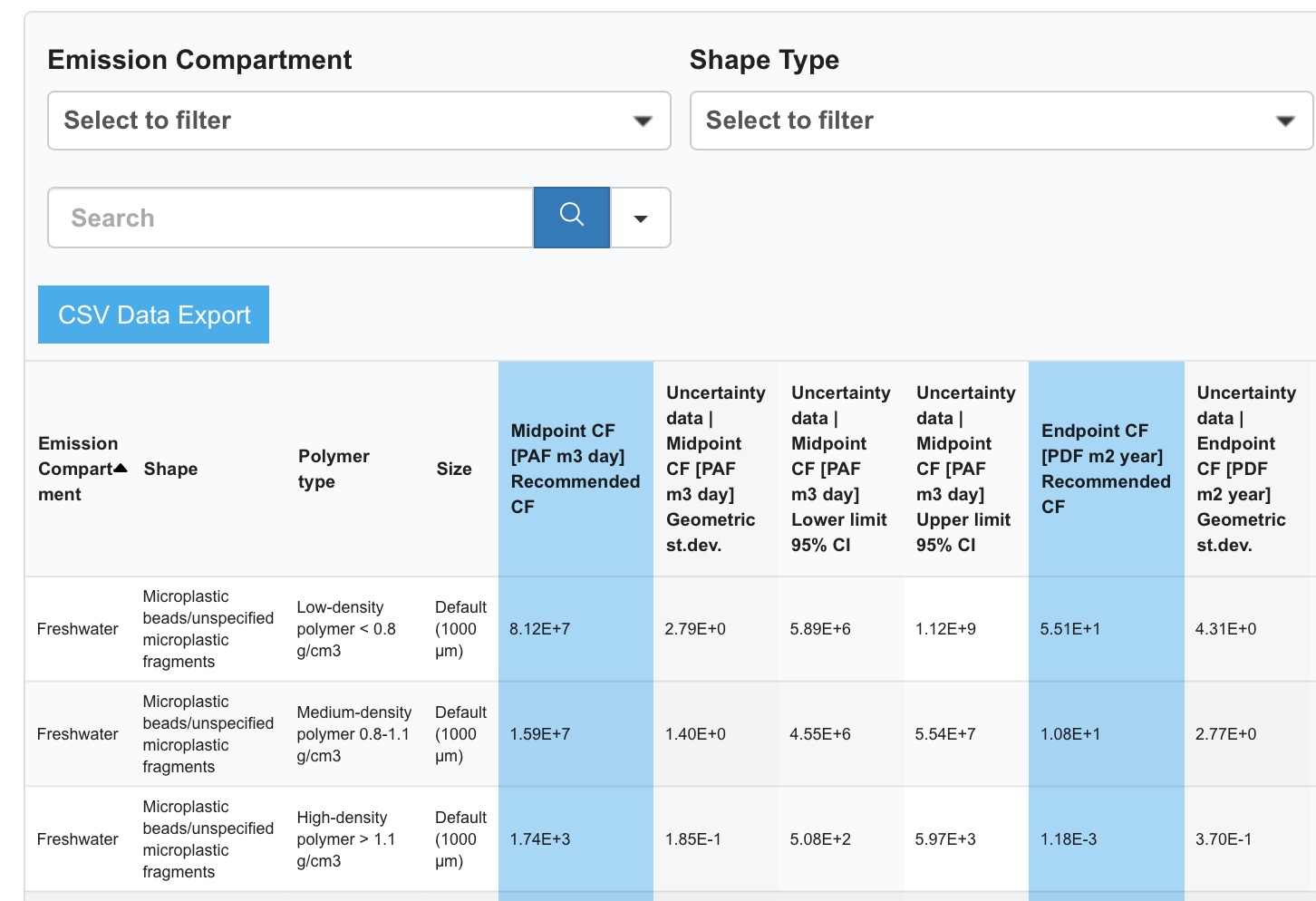
Characterization Factors for Microplastics Impacts in LCA published
Today we are pleased to be able to share with you our characterization factors (CF) for microplastics impacts in LCA. The CF are accessible via a table published on our…

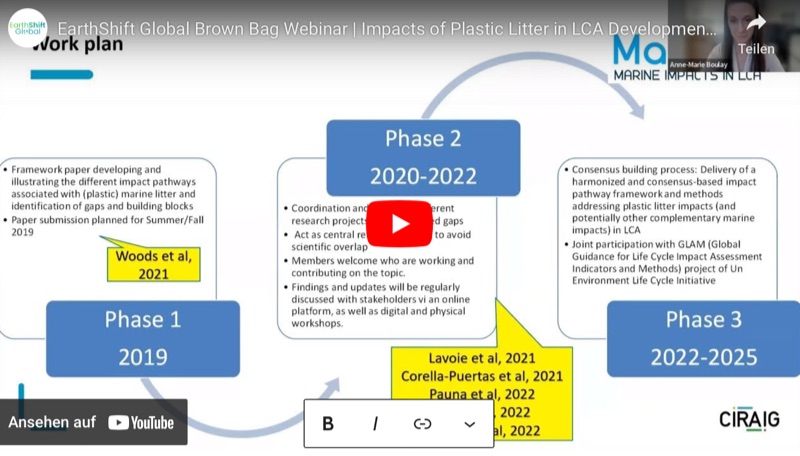
Provide a first Framework paper developing and illustrating the different impact pathways associated with marine litter to be developed and identify the gaps and building blocks (January 2019 – December 2019).

Coordinate and launch different research projects (Master’s and PhDs) aiming at filling identified gaps and act as a central scientific reference on the topic to avoid overlaps (2019 - 2022), welcoming members who are working and contributing on the topic. Findings and updates are regularly discussed with stakeholders via a platform and workshops.

Consensus building (2023-2025). Deliver a harmonized and consensus-based impact pathway framework and methods addressing plastic litter impacts (and potentially other complementary marine impacts) in LCA.

CIRAIG (Co-Chair)

PUCP (Co-Chair)

NTNU